

Home / Services / Genomic
Interested in genomic testing?
Explore how precision medicine and genetic analysis can support your research or clinical program.
Downloads
Precision care & faster clinical decisions
Genomic services for actionable insight
Genomics turns complex genetic information into actionable insight for clinicians, researchers and patients. Our services support precision medicine by helping identify inherited risk, optimize drug response, and personalize lifestyle and prevention strategies, so decisions are smarter, safer, and more cost-effective.
From targeted clinical panels to comprehensive interpretation, our workflow is designed for clinical-grade quality, clear reporting, and responsible data governance.
Clinical-grade accuracy
Robust lab workflow, clear reporting, and quality-focused processing.
Actionable reports
Designed to be understood quickly, focused on what to do next.
Privacy & governance
Responsible handling of sensitive genomic data for clinical and research needs.
Genomic panel
Panels available today

Familial hypercholesterolemia (FH)
Detect inherited high LDL risk before complications happen
FH is an inherited condition that can lead to very high LDL and early cardiovascular events.
- LDL cholesterol ≥ 190 mg/dL in adults
- LDL remains above target despite standard lipid therapy
- Family history of premature heart attack
- A known FH diagnosis in close relatives

Pharmacogenomics
Choose the right medication and dose based on genetics
Predicts how an individual metabolizes and responds to medicines to reduce adverse effects. Common genes: CYP2C19, CYP2C9, CYP2D6, SLCO1B1.
- Safer dosing guidance & reduced adverse reactions
- Better therapy selection for long-term treatment
- Faster time-to-control for high-risk medications

Nutrigenomics
Personalize nutrition beyond “one-size-fits-all”
Explores how genetic variation influences dietary response and nutrient metabolism.
- Taste perception & food response (caffeine, lactose, gluten)
- Nutrient metabolism (vitamin B-complex, antioxidants, iron)
- Detailed lifestyle recommendations
- Plans for weight management and long-term prevention

MODY (monogenic diabetes)
Confirm monogenic diabetes to unlock the right therapy
MODY is often misclassified as type 1 or type 2, but requires different management.
- Accurate diagnosis that distinguishes MODY from type 1 and type 2 diabetes
- Effective response to specific oral therapies
- Economical alternative to insulin in selected cases
- Improved long-term management strategy
How to request a test
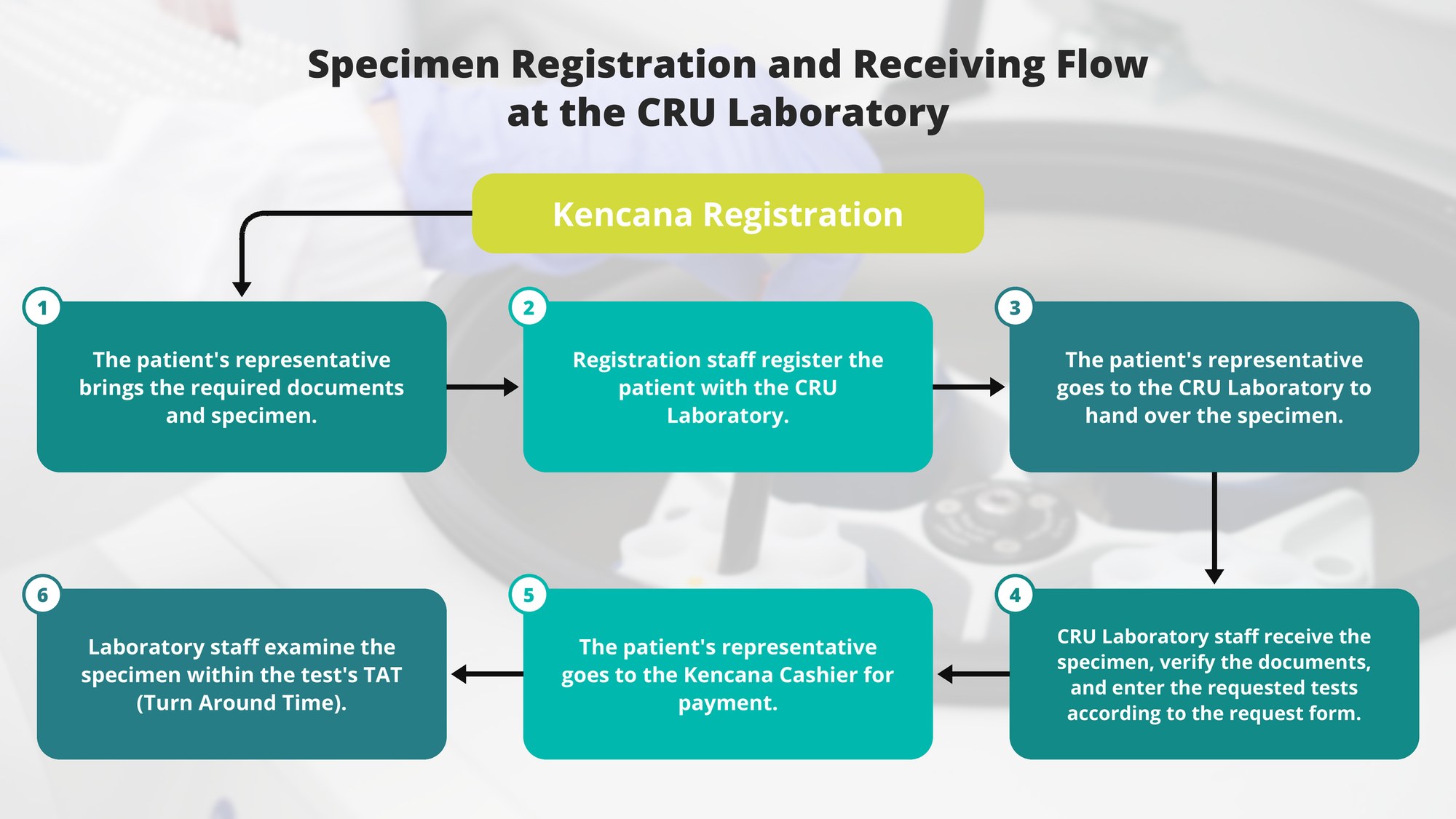
Test request and specimen flow
From registration at Kencana to examination at the CRU laboratory, in six steps.
Our facilities
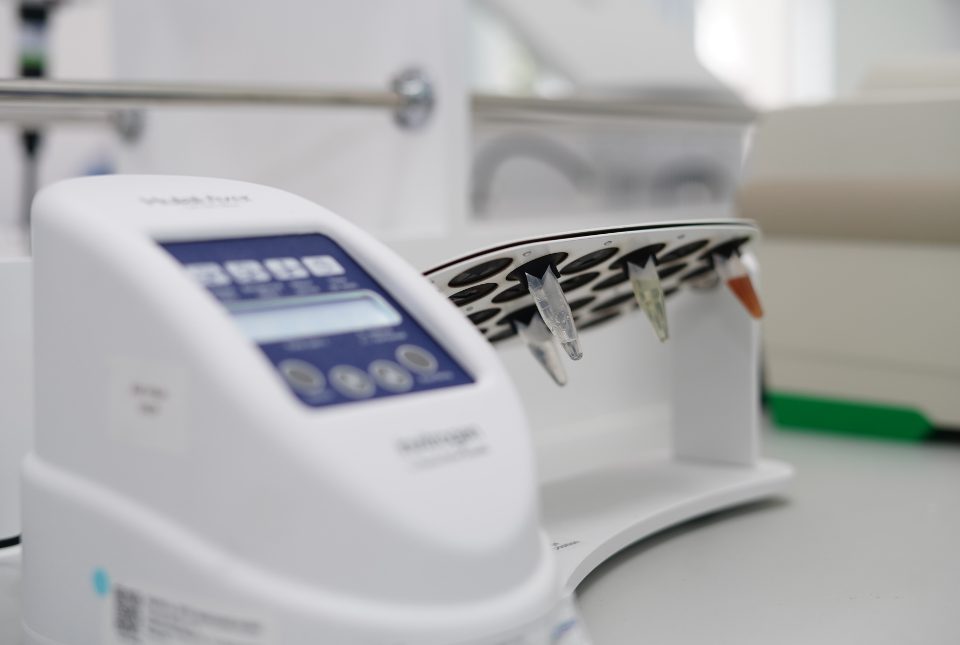
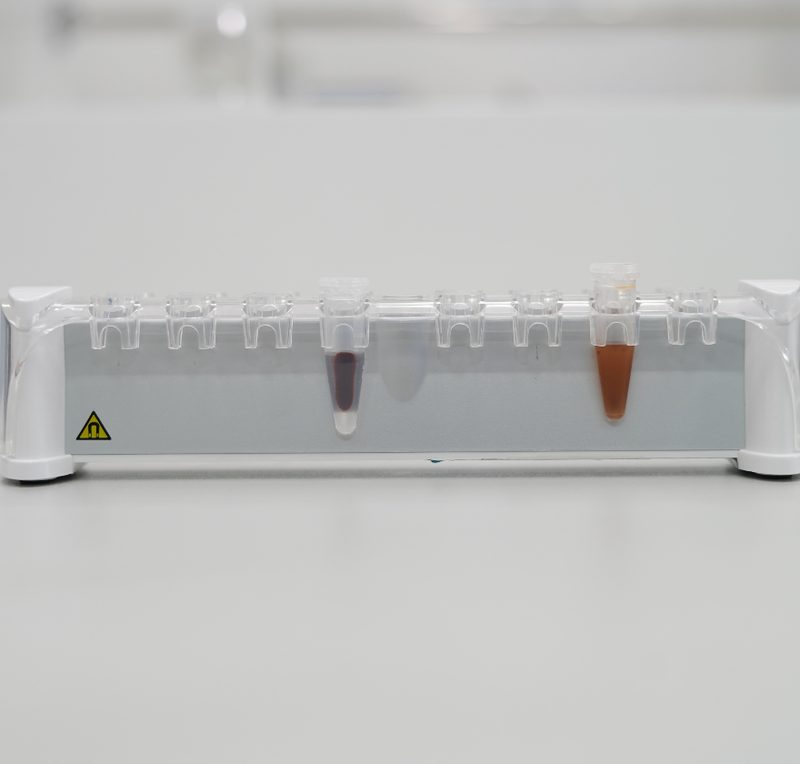
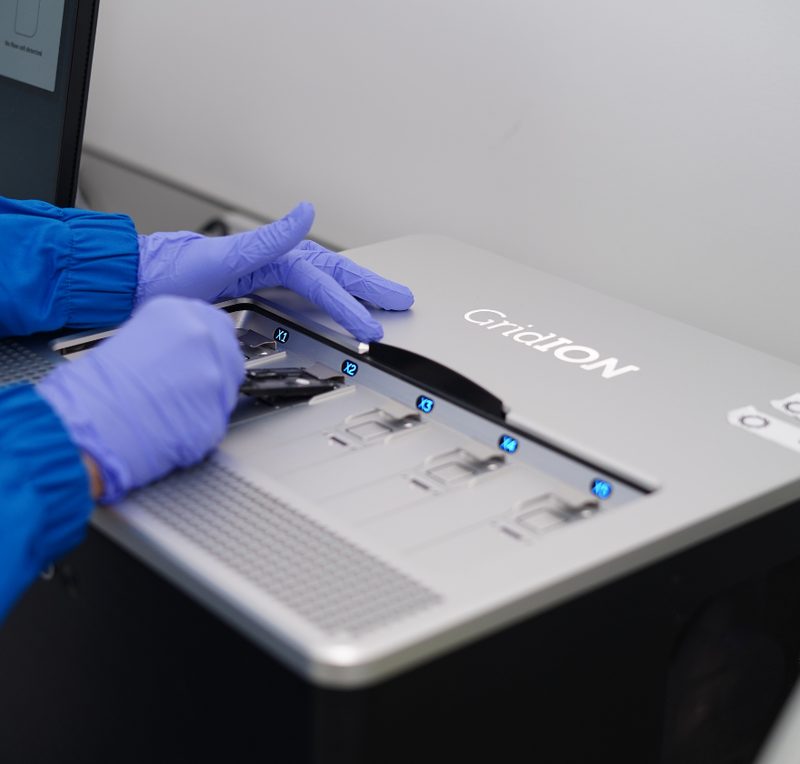
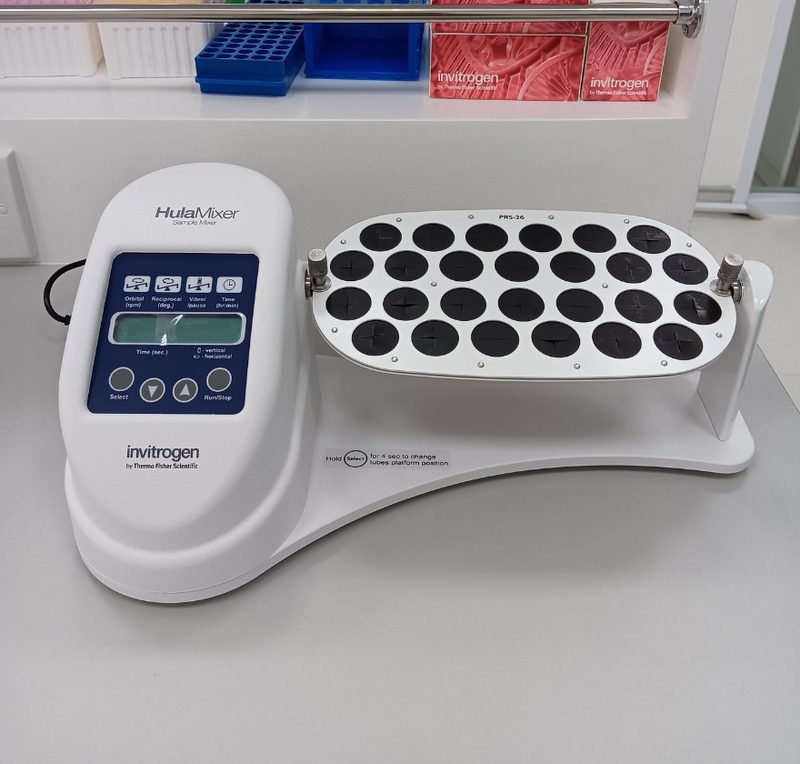
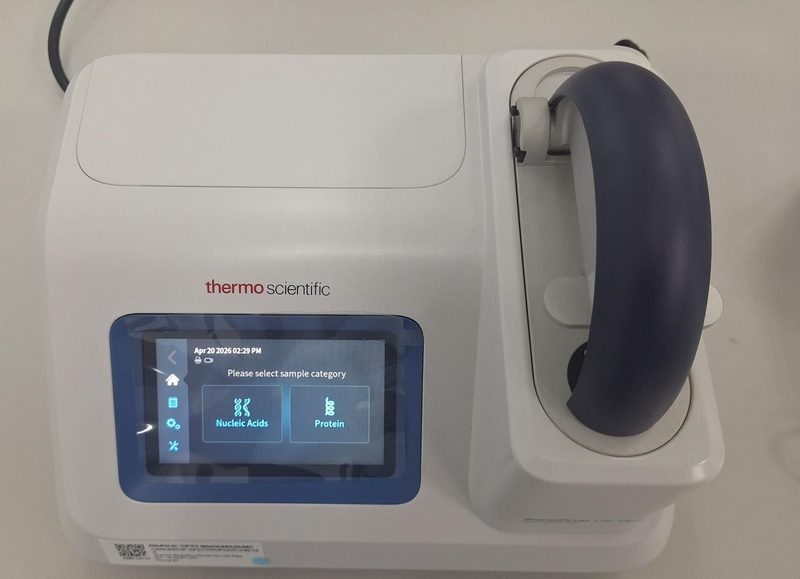
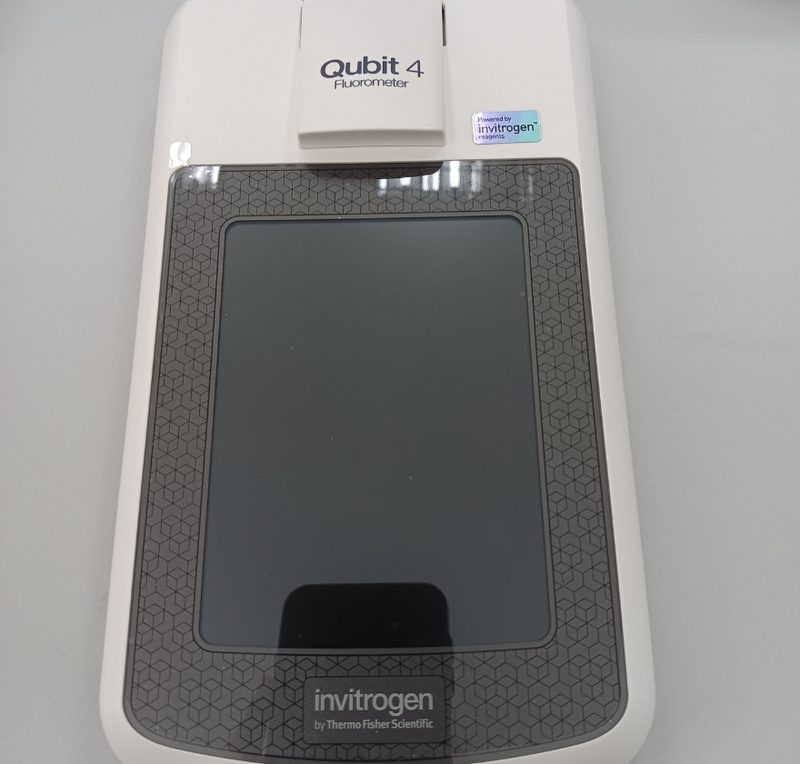
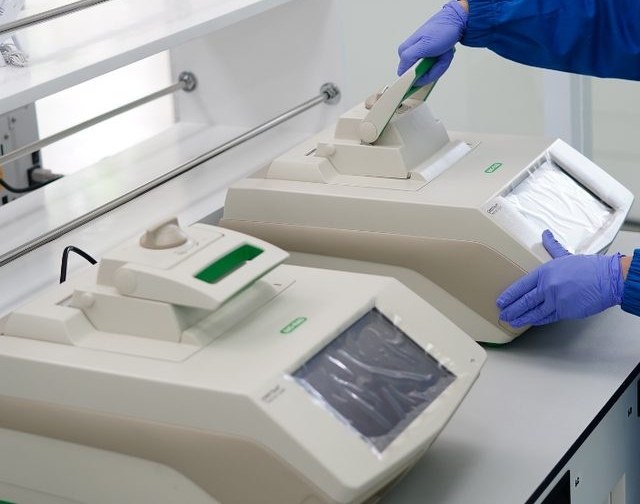
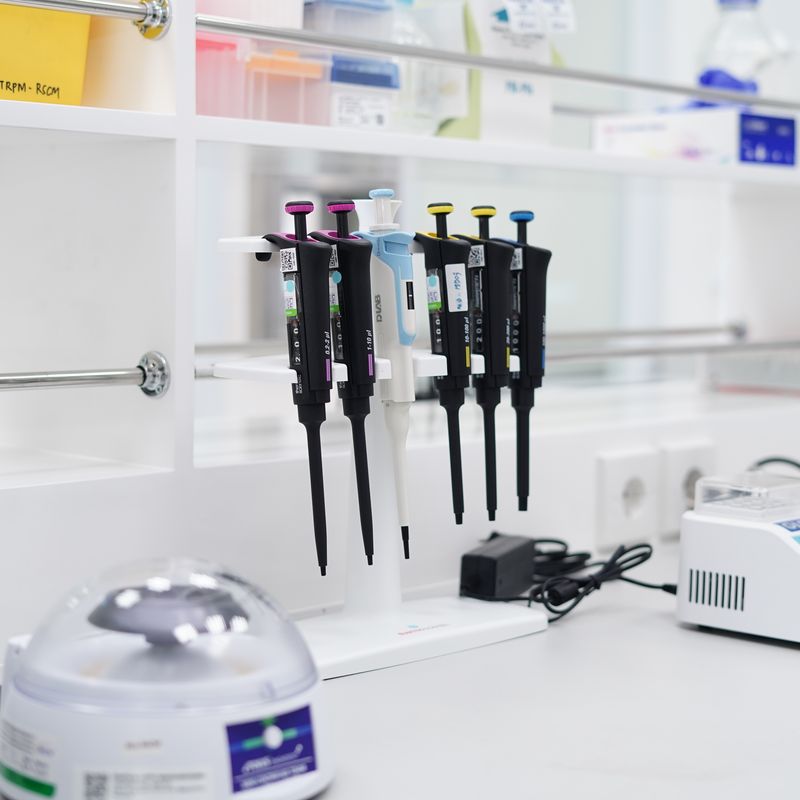
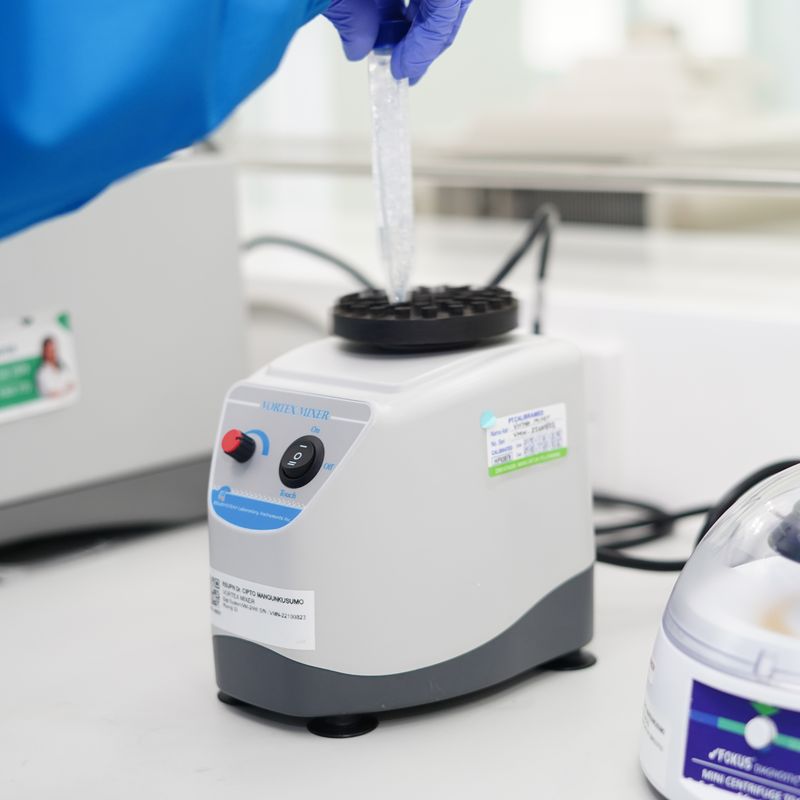
Instruments & equipment
Have a sample ready for testing?
Talk to our genomics team about panel selection and turnaround times.